Sunlit wooden table with an arrangement of fresh seasonal vegetables, whole grains, nuts, and seeds viewed from above, conveying natural abundance and balance
Educational Resource

Understanding the Foundations of Balanced Living

An independent informational platform exploring nutrition, physical activity, and natural approaches to everyday vitality — for general knowledge purposes only.

Explore Concepts

The Essence of Balanced Living

Balanced living is not a rigid prescription but a conceptual framework that describes the relationship between the foods we consume, the way we move our bodies, and the rhythms of rest and activity that structure our days. Across different cultures and historical periods, the understanding of what constitutes a balanced life has evolved considerably, yet several consistent themes emerge from the available body of knowledge.

The concept centers on equilibrium: an intake of diverse nutrients that supports biological function, a pattern of physical movement that maintains musculoskeletal health, and mental habits that allow for clarity and resilience. No single element operates in isolation, and this interconnectedness is a core principle explored throughout this resource.

This platform approaches these themes from a purely informational perspective. The content described here is drawn from publicly available research literature and general nutritional principles. It does not constitute advice of any kind, nor does it suggest specific courses of action for any individual.

Understand Our Approach

Close-up of two hands holding a small wicker basket filled with colorful fresh vegetables including cherry tomatoes, leafy greens, and orange carrots in warm natural light

Understanding Nutritional Foundations

A balanced diet is generally described in terms of macronutrients — carbohydrates, proteins, and fats — and micronutrients, which include a wide spectrum of vitamins and minerals. Each category plays a distinct role in supporting the body's ongoing processes, from energy production to cellular repair and immune function.

Macronutrients and Their General Roles

  • Carbohydrates — The primary source of energy for the body. Complex carbohydrates found in whole grains, legumes, and vegetables are associated with more sustained energy release compared to simple sugars.
  • Proteins — Essential for building and repairing tissues, producing enzymes and hormones, and supporting immune function. Sources include legumes, dairy, eggs, meat, and various plant-based options.
  • Dietary Fats — Necessary for the absorption of fat-soluble vitamins, hormone production, and cell membrane integrity. Unsaturated fats from sources such as olive oil, nuts, and avocados are widely discussed in nutritional literature.
  • Dietary Fiber — A component of plant foods that supports digestive function and contributes to satiety. Found abundantly in vegetables, fruits, legumes, and whole grains.

Micronutrients in Context

Vitamins and minerals, though required in smaller quantities, are indispensable for metabolic processes. Deficiencies in certain micronutrients are associated with well-documented functional changes in the body, and the diversity of food intake is generally considered the most effective way to ensure adequate micronutrient availability.

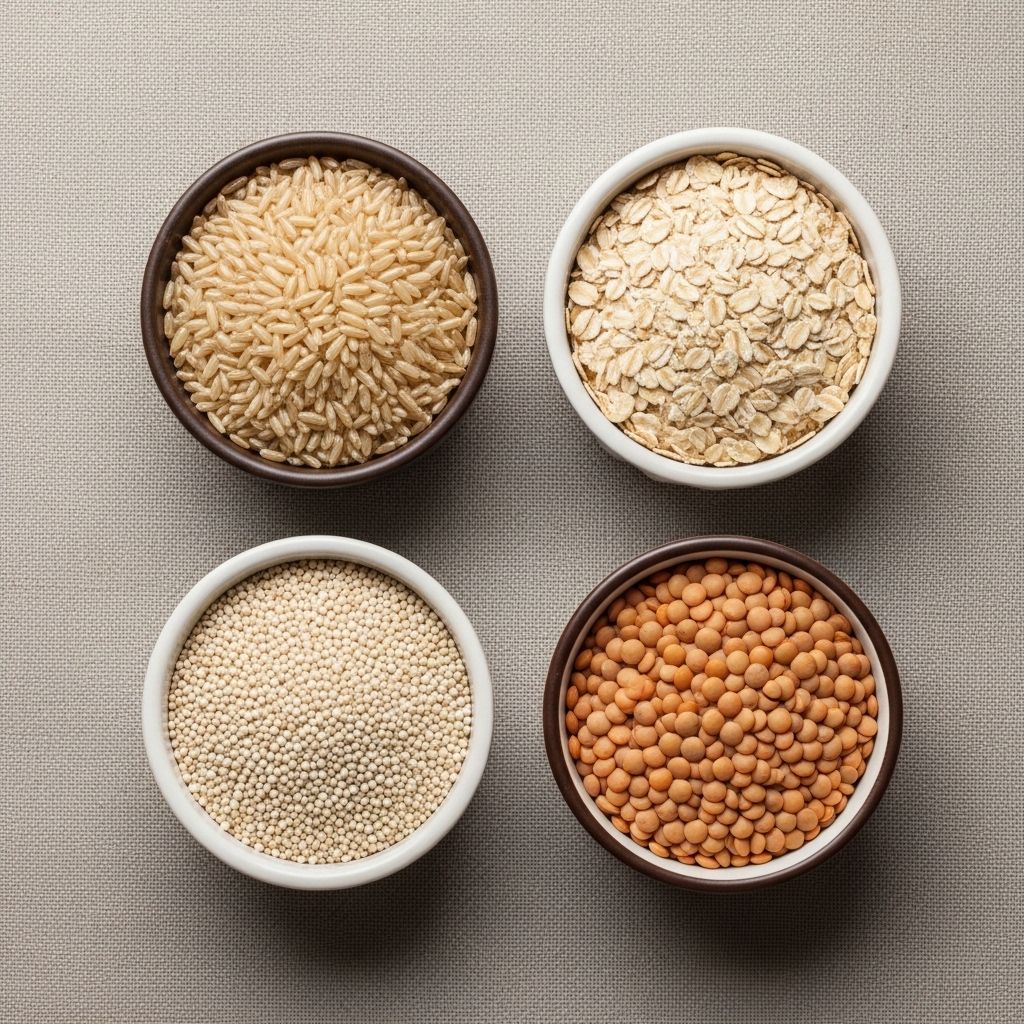
Overhead flat lay of various whole grains — brown rice, oats, quinoa, and lentils — in small ceramic bowls arranged on a natural linen surface Assortment of colorful raw vegetables including broccoli, bell peppers, zucchini, and spinach leaves arranged on a white marble cutting board Fresh seasonal fruits including blueberries, sliced kiwi, orange segments, and pomegranate seeds arranged in an artful flat lay on a light stone surface

The information presented in this section describes general nutritional principles as documented in publicly available scientific literature. It does not constitute dietary advice, does not account for individual health circumstances, and should not be used as a basis for personal dietary decisions. A variety of approaches to nutrition exist, and practices may differ significantly across different populations and lifestyles.

The Role of Movement in Daily Vitality

Person performing a gentle outdoor yoga pose on a wooden deck surrounded by green trees and soft morning sunlight filtering through the leaves

Physical Activity and Energy Balance

Regular movement is a well-established component of general well-being. Research across multiple disciplines consistently identifies physical activity as a factor associated with maintaining stable energy levels, supporting cardiovascular function, and contributing to musculoskeletal resilience over time. The relationship between caloric intake and energy expenditure forms a central concept in nutritional science.

Moderate activities — such as walking, stretching, cycling, or swimming — are frequently cited in general wellness literature as accessible forms of movement that can be integrated into daily routines without specialized equipment or high intensity demands.

Types of Movement and Their Documented Effects

Aerobic activity, which elevates heart rate for sustained periods, is associated in scientific literature with improved cardiovascular efficiency. Resistance or strength-oriented movement is linked to the preservation of muscle mass and bone density. Flexibility and mobility practices — such as yoga or stretching routines — are described as contributors to postural awareness and ease of movement in everyday life.

It is important to note that individual responses to physical activity vary considerably. The descriptions here are general and based on population-level observations from research literature, not individual recommendations.

Hydration and Inner Balance

Water is the most abundant substance in the human body and is involved in virtually every physiological process. The maintenance of adequate hydration is a widely discussed topic in nutrition and physiology, with general consensus pointing to water's central role in temperature regulation, nutrient transport, joint lubrication, and cellular function.

The popular notion of a fixed daily water requirement — most often cited as "eight glasses per day" — is a simplified generalization that does not reflect the complexity of individual hydration needs. Actual requirements vary based on body mass, ambient temperature, physical activity levels, and the water content of the foods consumed.

60% of the adult human body is composed of water
20% of daily water intake typically comes from food
2.5L average daily water turnover in a temperate climate

Common Misconceptions About Hydration

Several myths surrounding hydration persist in popular discourse. The following points reflect general positions derived from nutritional science literature:

  • Thirst is generally a reliable indicator of hydration need in healthy adults under normal conditions, though it may lag slightly behind actual physiological requirements.
  • Beverages other than plain water — including herbal teas, diluted fruit juices, and certain soups — contribute meaningfully to daily fluid intake.
  • Foods with high water content, such as cucumbers, tomatoes, and watermelon, contribute significantly to total daily hydration.
  • Overhydration is a recognized physiological phenomenon, though it is uncommon in typical daily circumstances for healthy adults.
  • The color of urine is widely referenced in hydration literature as a practical, informal indicator of fluid status, with pale yellow generally associated with adequate hydration.
  • Physical activity and higher ambient temperatures measurably increase fluid loss and therefore increase the general requirement for fluid intake.

The figures and observations noted here are drawn from general nutritional science literature for informational purposes. They do not represent clinical guidelines and are not intended as recommendations for any individual. Personal hydration needs are variable and may be influenced by factors not addressed here.

Natural Allies for Wellbeing

Certain natural plant-based foods have attracted considerable attention in nutritional research for their specific compositional properties. The following descriptions provide general informational context on several of these ingredients as they appear in the broader literature on balanced diets. These are presented as dietary components, not as treatments, products, or recommendations.

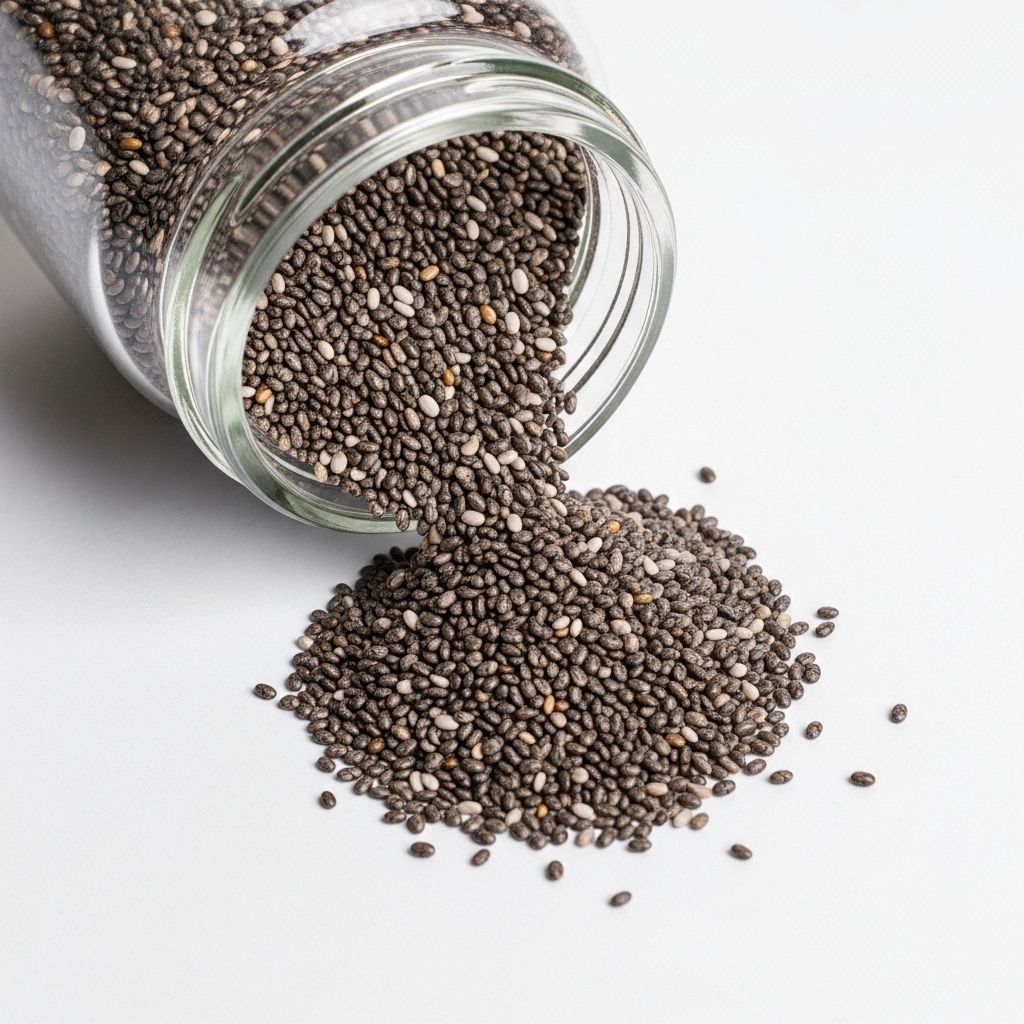
Dried chia seeds poured from a small glass jar onto a flat white surface, showing their small dark oval shape and smooth texture up close Seeds

Chia Seeds

Chia seeds are derived from Salvia hispanica, a plant native to Central America with a long history of use in traditional diets. They are notable for their high content of dietary fiber, omega-3 fatty acids (primarily alpha-linolenic acid), and various micronutrients including calcium, phosphorus, and manganese. When soaked in liquid, chia seeds form a gel due to their soluble fiber content, a property that has made them widely discussed in the context of satiety and digestive support within nutritional literature.

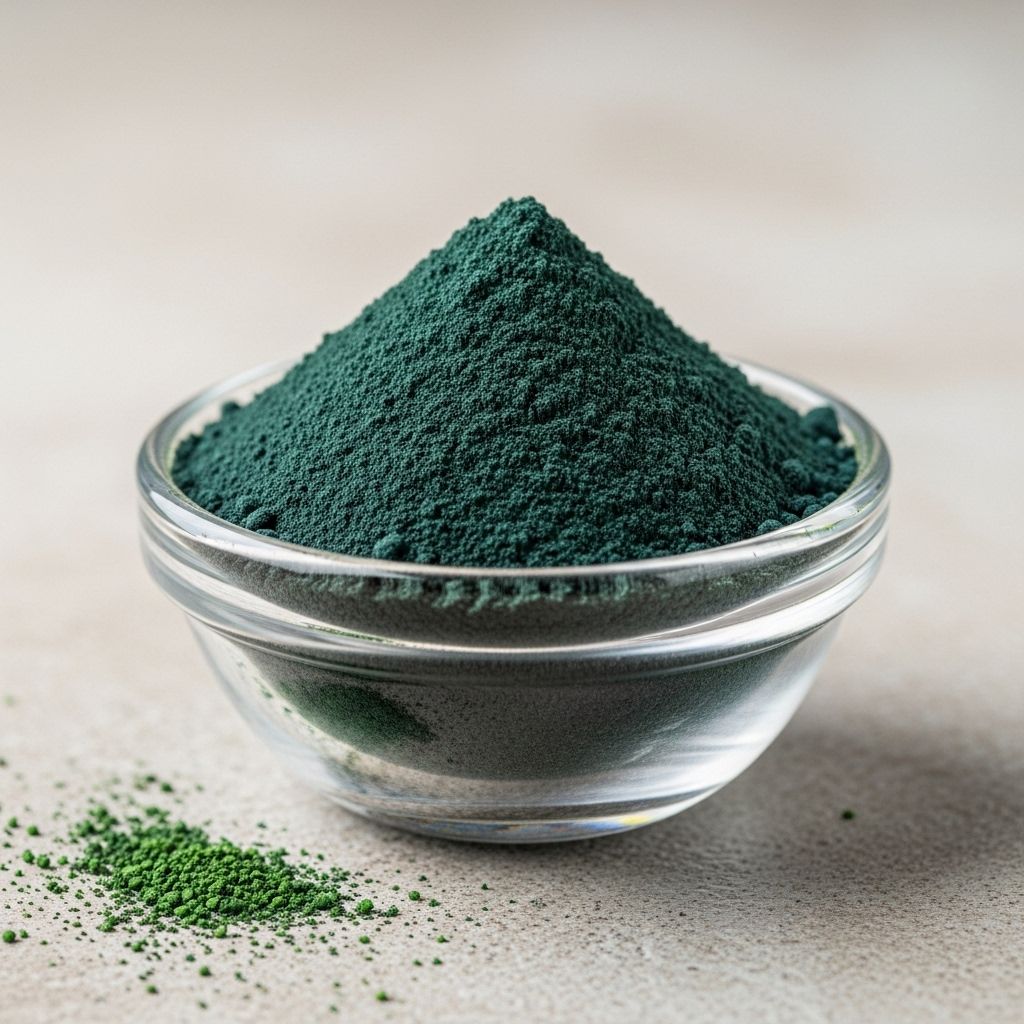
Small glass bowl containing dried spirulina powder, showing its distinctive deep blue-green color against a light textured background with scattered green specks Microalgae

Spirulina

Spirulina is a type of cyanobacterium — commonly referred to as a blue-green microalgae — that has been consumed as a food source by various cultures for centuries. It is recognized in nutritional literature for its relatively high protein content by dry weight, as well as its provision of B vitamins, iron, and various antioxidant compounds including phycocyanin, which gives it its characteristic color. Spirulina is typically consumed in powder or tablet form as a dietary supplement to a varied diet.

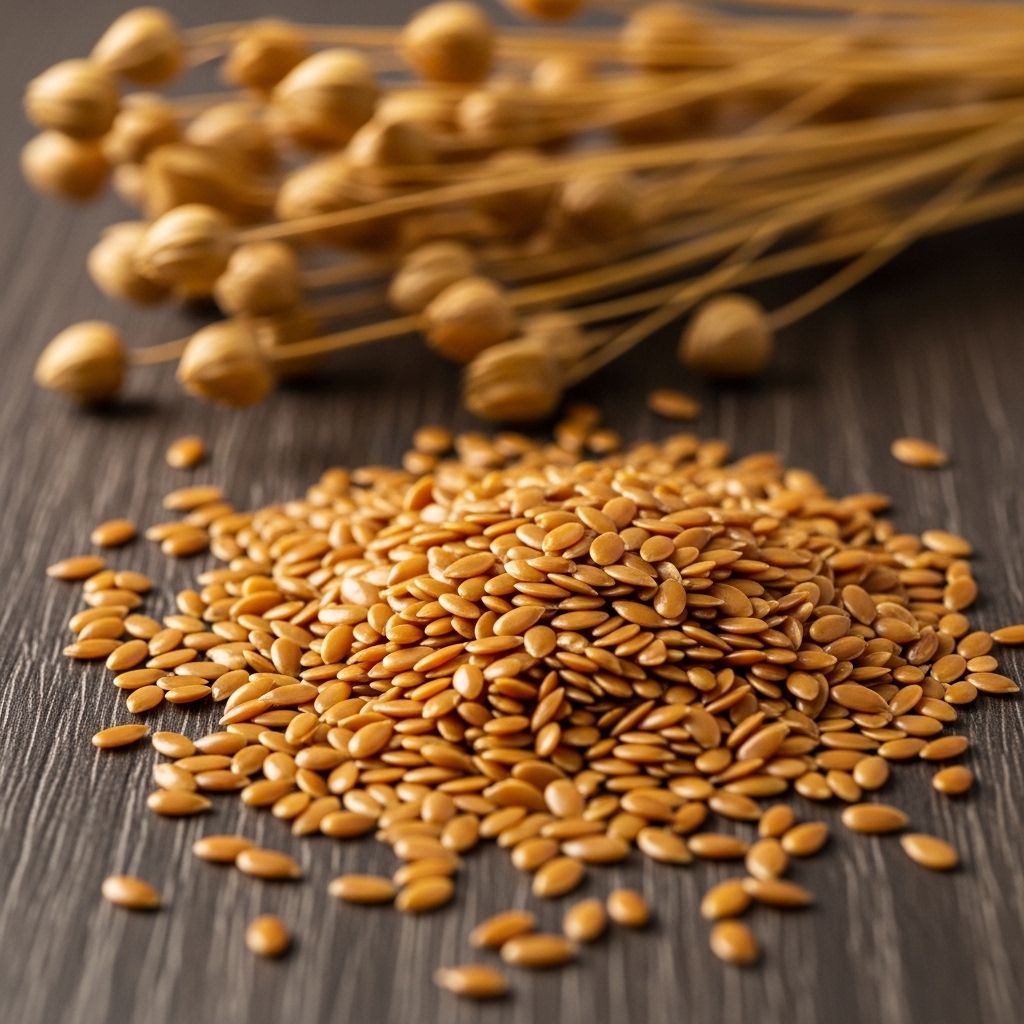
Golden and brown flaxseeds scattered on a dark wooden surface with some whole flax stalks in the background, displaying rich natural texture and warm tones Seeds

Flaxseeds

Flaxseeds (Linum usitatissimum) are one of the oldest cultivated crops, with evidence of their use in food dating back thousands of years. They are a significant source of alpha-linolenic acid (ALA), a plant-based omega-3 fatty acid, as well as lignans — a class of plant compounds with antioxidant properties — and both soluble and insoluble dietary fiber. Ground flaxseeds are generally considered more bioavailable than whole seeds, a point frequently raised in nutritional discussions about their integration into a balanced diet.

Fiber Blends and Mixed Plant Complexes

Dietary fiber blends — often composed of combinations of psyllium husk, inulin, oat bran, and various seed fibers — are described in nutritional literature as supporting digestive regularity and contributing to the feeling of satiety following meals. Their role in a balanced diet is generally understood within the broader context of ensuring adequate total fiber intake, which is associated with digestive health in population-level studies. These components do not function as substitutes for a varied and balanced diet.

All natural ingredients described in this section are presented for general informational purposes only. The descriptions reflect commonly discussed properties from nutritional research literature. None of the above constitutes a dietary recommendation, and no outcomes are implied or suggested. Individual responses to dietary components vary considerably.

Cultivating Sustainable Habits

The formation of lasting behavioral patterns related to diet and physical activity is a topic examined extensively in behavioral science and public health research. A consistent observation across multiple studies is that gradual, incremental changes to existing habits tend to be more durable over time than sudden, comprehensive overhauls of daily routines.

Consistency Over Intensity

Research in habit formation suggests that regular, moderate behaviors are more likely to become self-sustaining than sporadic, intensive efforts. The frequency and predictability of a behavior play a central role in its integration into daily life.

Environmental Context

The physical and social environment in which a behavior occurs significantly influences its likelihood of being repeated. Accessibility of certain foods or opportunities for physical activity within an individual's immediate environment is a frequently discussed factor in population health research.

The Role of Sleep

Sleep and rest are increasingly recognized in research literature as integral components of overall well-being. Adequate sleep duration and quality are associated in multiple studies with stable energy regulation, cognitive function, and behavioral consistency in daily life.

General Principles for Gradual Lifestyle Integration

  1. Begin with existing routines — identify daily activities already established and consider how nutritional or movement components can be introduced adjacent to them, reducing friction and the need for entirely new behavioral slots.
  2. Focus on environmental design — arrange the immediate living environment so that more balanced food choices are accessible and visible, drawing on what behavioral research calls "choice architecture."
  3. Track patterns rather than outcomes — noticing the consistency of behavior (e.g., frequency of meals with vegetables, days of physical activity per week) tends to be more informative and manageable than tracking specific numerical targets.
  4. Acknowledge variability — behavioral research consistently demonstrates that lapses in routine are a normal part of habit formation. The relevant factor is the capacity to return to the established pattern rather than the avoidance of any deviation.
  5. Rest as a structural component — incorporate adequate periods of rest and sleep as a non-negotiable element of any routine, given its documented role in supporting consistent behavior over time.
  6. Gradual dietary diversification — rather than eliminating categories of foods, consider expanding the variety of plant-based foods consumed incrementally, which nutritional literature associates with broader micronutrient availability.

Frequently Asked Questions

The following questions address common areas of interest related to the topics explored on this site. Responses are provided for general informational context only and do not constitute advice of any kind.

In nutritional science, a balanced diet is broadly described as one that provides adequate quantities of all essential nutrients — macronutrients (carbohydrates, proteins, and fats) and micronutrients (vitamins and minerals) — in proportions that support normal physiological function. Various national and international dietary guidelines offer frameworks for this concept, though the specifics vary by geographic region, cultural context, and the population being addressed. The concept is descriptive, not prescriptive, and refers to general patterns rather than specific meals or quantities.

Dietary fiber — particularly soluble fiber found in oats, legumes, and certain seeds — is associated in nutritional literature with increased feelings of fullness following meals. The proposed mechanisms include the slowing of gastric emptying, the formation of viscous gels in the digestive tract, and effects on signaling pathways related to appetite. These observations are drawn from population-level research and describe general tendencies, not guaranteed individual effects.

Energy balance is a concept in nutritional science that describes the relationship between caloric intake (energy consumed through food) and caloric expenditure (energy used through basal metabolic processes and physical activity). Physical activity constitutes a variable component of total energy expenditure. Its contribution depends on the type, duration, and intensity of the activity, as well as individual physiological factors. The concept of energy balance is frequently used in public health discussions about weight management, though the full picture is more complex and involves numerous hormonal and behavioral variables.

Nutritional literature and public health organizations consistently describe dietary supplements — including those derived from natural sources — as supplements to, rather than replacements for, a varied and balanced diet. Whole foods contain complex matrices of nutrients, fiber, and bioactive compounds that are not fully replicated by isolated supplements. The descriptions of natural ingredients on this site reflect this position: they are presented as potential additions to an existing varied diet, not as substitutes for it.

The question of optimal meal frequency is one of the more actively debated topics in nutritional research. Observational and experimental studies have examined patterns ranging from one to six or more eating occasions per day, with inconsistent conclusions. A general consensus emerging from the literature is that total nutrient and energy intake over a given period is more significant than the number of meals in which it is consumed, though individual factors such as metabolic rate, activity levels, and personal preference also play meaningful roles.

The term "active lifestyle" in general wellness literature typically refers to a pattern of daily living that includes regular, moderate physical activity integrated into routine activities — such as walking, cycling, gardening, or organized exercise — rather than strictly sedentary behaviors. The World Health Organization and various national health bodies have published general activity guidelines for adults, typically describing a range of weekly moderate-intensity activity minutes as a reference point. These guidelines are population-level references, not individual prescriptions.

Exploring Further: Resources and Insights

This site provides structured informational content across several interconnected areas. The following sections offer more detailed explorations of specific topics related to balanced nutrition and an active lifestyle.

Pserant is an informational resource. All content is presented for general educational purposes only. It does not constitute dietary, medical, or lifestyle advice. Individual circumstances vary, and readers are encouraged to consider multiple perspectives when forming personal views on nutrition and well-being.

Educational Content Only. No Promises of Outcomes.

The information on this platform is provided to explain concepts, describe phenomena, and provide context. It is not intended to influence personal decisions or serve as a basis for individual action. Explore the materials at your own pace and curiosity.

Discover Natural Components